
הפגישה הראשונה בסדרת הפגישות החדשות של חפא התקיימה בספטמבר.
להפתעתי, גם אבא שלי, שהכיר את חפא מאותם ימים רחוקים, ביקש לבוא.
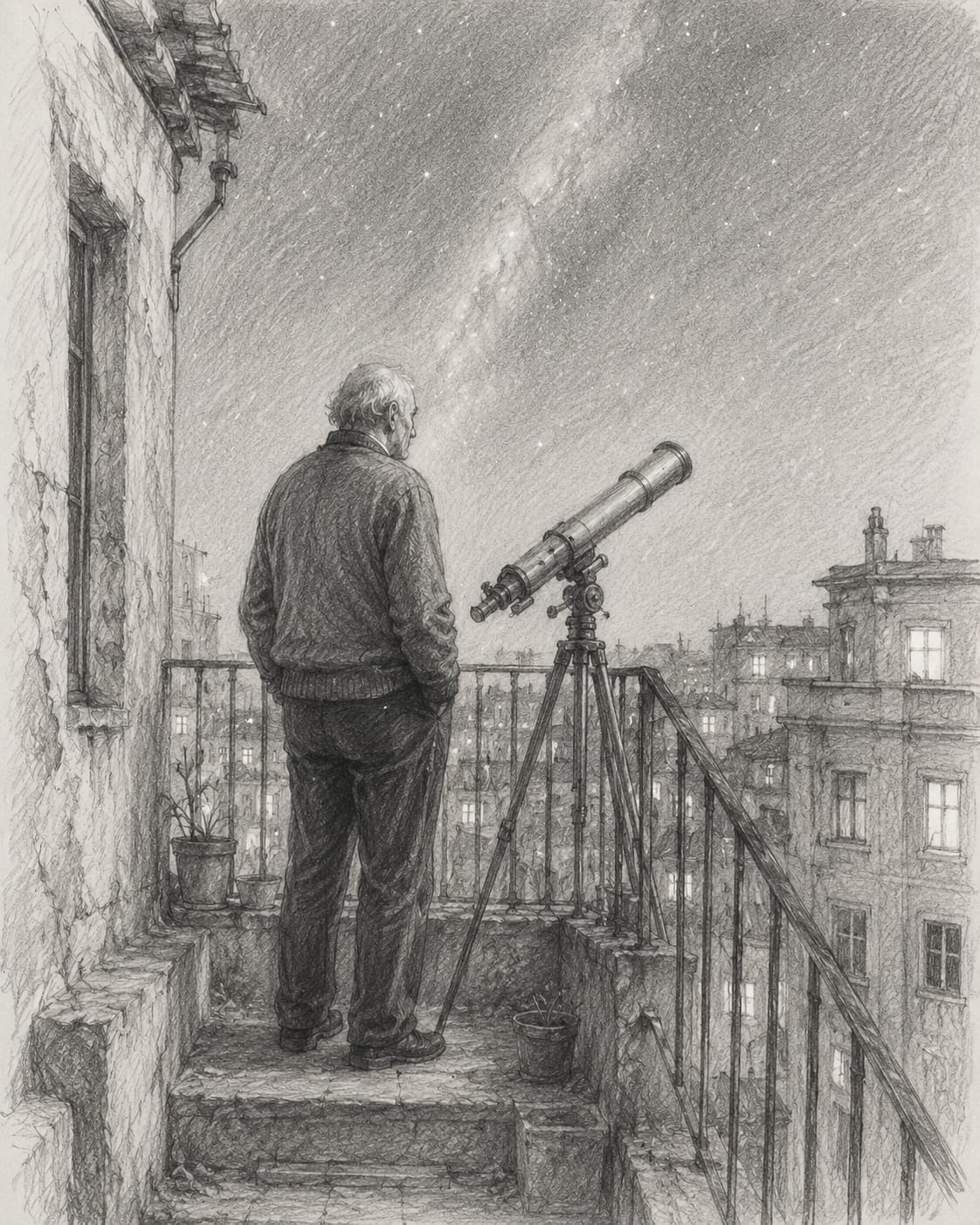
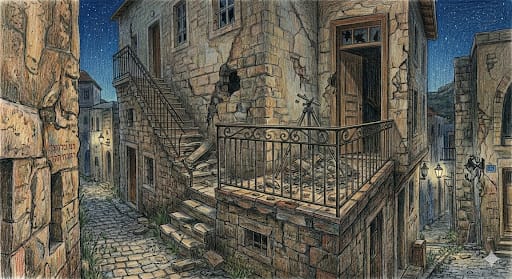
המקום היה חלל פנימי בבניין ישן, ששימש בעבר כבית קפה, חנות ספרים וספרייה, ועכשיו גם כאולם לאירועים קטנים. כדי להגיע לכניסה עברנו דרך חצר אחורית, שם עמד בית שאני ואבא הכרנו היטב. בראש גרם מדרגות ישן עם מרפסת בקצהו גר פעם מכר של אבא – איש שהיה לו טלסקופ. שם, בילדותי, התחלתי להתעניין בחלל ובכוכבים. עכשיו הכול היה נטוש. המדרגות שהובילו למרפסת היו שבורות, והמקום כולו מיועד להריסה.
רציתי לשאול את אבא מה שלום האיש עם הטלסקופ, מתי בדיוק שכחנו אותו, איפה השארנו אותו. תחושת החמצה עמדה באוויר. אבל בכניסה לבית הקפה כבר חיכה חפא. הוא לחץ את ידו של אבא בחום, הודה לו שבא, ונכנסנו פנימה.
סטולי הגנוב כבר ישב בפנים עם כמה פנים לא מוכרות. פסנתרן ניגן ג'ז שקט. חפא, כהרגלו, הלך ישר לעניין.
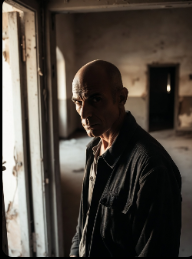
"באתי לכאן לשתף אתכם בידע שאינו מצוי כאן. ותשאלו בצדק – מי אני, ומה הסמכות שלי. ובכן, כל ההבדל ביני וביניכם הוא שבגיל שתים-עשרה, במקרה באקוודור, נחטפתי. נחטפתי והגעתי למקום שאפשר לקרוא לו 'בית ספר גבוה לתבונה גלקטית'. שם לא רק שלימדו אותי דברים שלא לומדים בשום מקום אחר – הם גם שינו לי את הראייה. אני רואה את היקום אחרת. רואה דברים שאתם לא רואים. ובאתי ללמד אתכם לראות אותם."
"חשוב שתדעו: זה לא מובן מאליו שאני כאן. אני לא יודע אם אני היחיד שנחטף בהיסטוריה האדמית, אבל אני כנראה הראשון שעבר את כל המסלול בשני הכיוונים. נחטפתי וגם חזרתי. ויש לי תחושה שכל המשמעות של זה היא שאני כאן, היא כדי להעביר לכם מה שלמדתי. כי יש דברים שהאנושות חייבת ללמוד."
הוא עצר לרגע, סקר את הקהל ואמר:
"אני יודע שאתם רוצים לומר המון דברים. המלצתי היא פשוט: אל תפחדו, רק תקשיבו."
אחר כך הוא עבר לתרגיל – "כמו מדיטציה אבל לא בדיוק". הכרתי אותו עוד מהחבורה הישנה: להקשיב לקולות הרקע (הפסנתר, האנשים, הכוסות) ולפרוס את התודעה הכי רחוק שאפשר. שוב חשבתי על האיש עם הטלסקופ.
זה לא נמשך יותר מדקה. חפא סיים במשפט המוכר: "היעד שלנו הוא לדעת קבוע." שמתי לב לאישה אחת, עם ז'קט אדום ומכנסיים אדומות מחויטות, שקמה ויצאה מהחדר. אחריה יצאה אישה נוספת עם תלתלים. מלצר נכנס ושאל מה נרצה לשתות על חשבון הבית. אני הזמנתי אפל ספייס חם – המלצת הסתיו של הבית, סטולי כרגיל הזמין משקה שאת שמו לא שמעתי קודם (היה נדמה לי שהוא מנסה לאתגר את המלצר ואת הקפה), ואבא הזמין בירה.
בהמשך, כשחפא דיבר על "רגע השתיקה" ועל "צינורות היקום" שמחברים בין בינות שונות – חלקן "בינות שכנות" של ממש וחלקן רחוקות – הרגשתי שהחדר סוגר עליי. רציתי לצאת.
באותם ימים חיי היו תקועים. למדתי באוניברסיטה משהו שלא רציתי לעסוק בו, והעתיד נראה לי מדכא. משהו בתוכי עמד לפקוע. לא הרגשתי שיש לי עתיד כאן, אבל לא ידעתי איפה כן.
הגברת באדום חזרה והתיישבה במקום שבו ישב סטולי קודם.
"היקום מלא חיים, מכאן עד כאן", פרש חפא את ידיו לשני צדדי החדר, ואחר כך אמר עוד משהו שהסתיים ב"והם באים לא רק בעב"מים".
"טוב אבל מה אני עושה עם זה?" שאל בחור אחד עם זקן שחור – זה שתמיד נדמה לי שהוא מופיע בכל הרצאה, כדי להפריע עם שאלות שלא לעניין. היה נדמה לי שגם חפא מסרבל בכוונה את דבריו, כדי לגרום לאנשים כמוהו לעזוב.
בהמשך אני זוכר את עצמי יוצא אל הלילה, מלווה את הגברת האדומה. חפא לא כעס כשנפרדתי. הוא רק מסר לי את תאריך הפגישה הבאה – "יום חמישי אחרי החגים", בעוד כחודש. זאת לא הייתה הפעם האחרונה שהוא קבע פגישה לתאריך הזה. לפגישה האחרונה שקבע כך, הוא לא בא.
שנים אחדות אחר כך, כשעבד חפא בבית חולים פסיכיאטרי, הוא סיפר לי שראה שם את אותה גברת באדום.
The first meeting in Chapa’s new series took place in September.
To my surprise, my father – who had known Chapa from those distant days – asked to come along.
The venue was an inner space in an old building that had once served as a café, a bookstore, and a library, and now also hosted small events. To reach the entrance, we passed through a back courtyard where an old house stood – one my father and I knew well. At the top of a worn staircase with a balcony at its end, a friend of my father’s had once lived – a man who owned a telescope. That was where, as a child, I first became fascinated with space and stars. Now everything was abandoned. The stairs leading to the balcony were broken, and the whole place was slated for demolition.
I wanted to ask my father what had become of the man with the telescope – when exactly we had forgotten him, where we had left him behind. A feeling of missed opportunity hung in the air. But at the entrance to the café, Chapa was already waiting. He shook my father’s hand warmly, thanked him for coming, and we went inside.
Stoly the Stolen was already seated with a few unfamiliar faces. A pianist played soft jazz. As usual, Chapa went straight to the point.
“I came here to share with you knowledge that is not found in these parts. And you are right to ask – who am I, and what gives me the authority? Well, the only difference between me and you is that at the age of twelve, in Ecuador by chance, I was abducted. I was taken and brought to a place that could be called ‘a high school for galactic intelligence.’ There they not only taught me things you cannot learn anywhere else – they also changed the way I see. I see the universe differently. I see things you do not see. And I have come to teach you how to see them."
"It is important you understand: it is not self-evident that I am here. I do not know if I am the only one who was ever abducted in what we might call human history, but I am probably the first to have completed the entire journey in both directions – I was taken, and I returned. And I have a feeling that the entire meaning of this lies in the fact that I am here – to pass on to you what I have learned. Because there are things humanity must learn.”
He paused for a moment, scanned the audience, and said:“I know many of you want to say a lot of things. My advice is simple: don’t be afraid. Just listen.”
Then he moved into the exercise – “like meditation, but not exactly.” I recognized it from the old group: to listen to the background sounds – the piano, the people, the clinking glasses – and stretch one’s consciousness as far as possible.
Once again, I thought of the man with the telescope.
It lasted no more than a minute. Chapa concluded with the familiar sentence: “Our goal is to know constantly.”
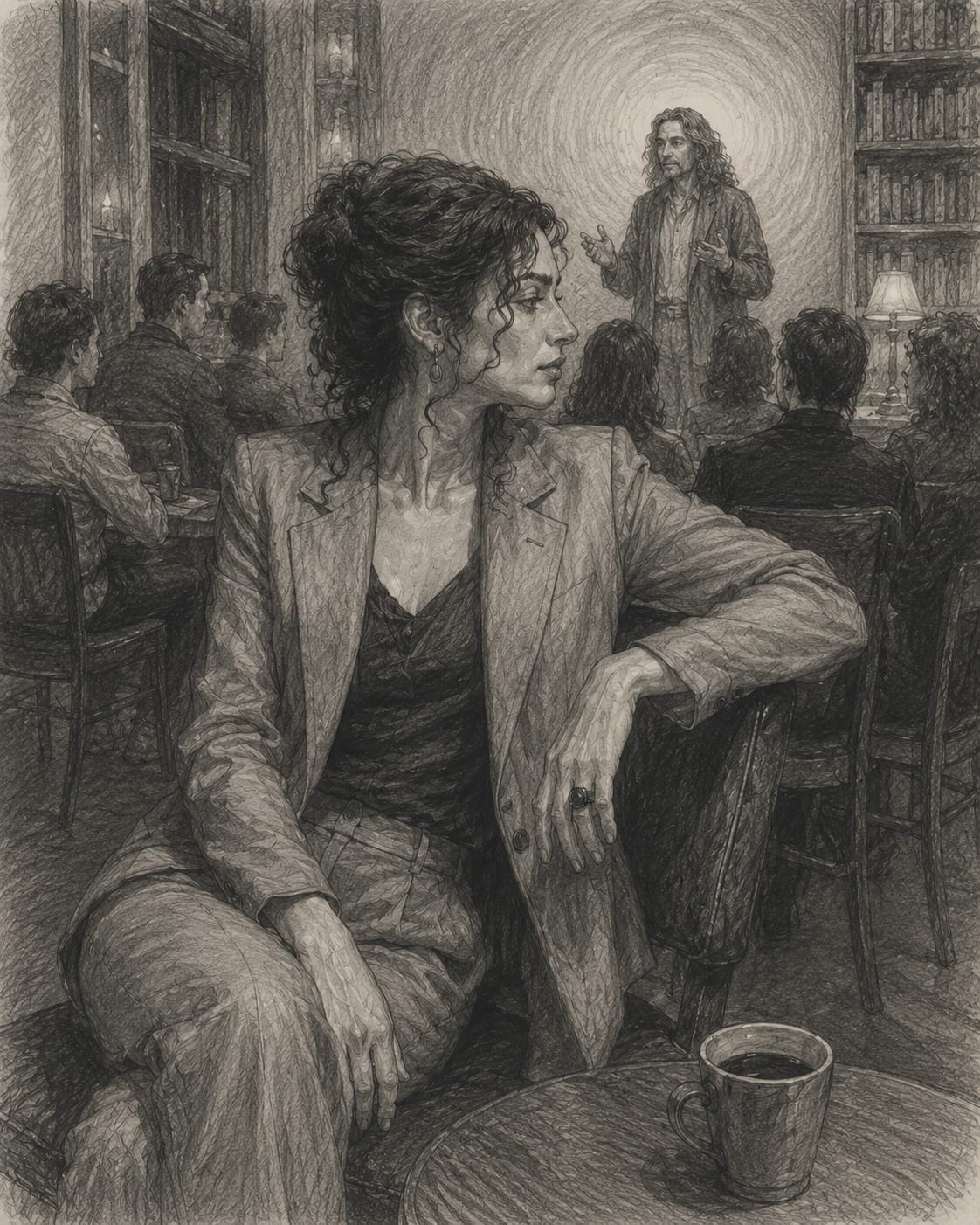
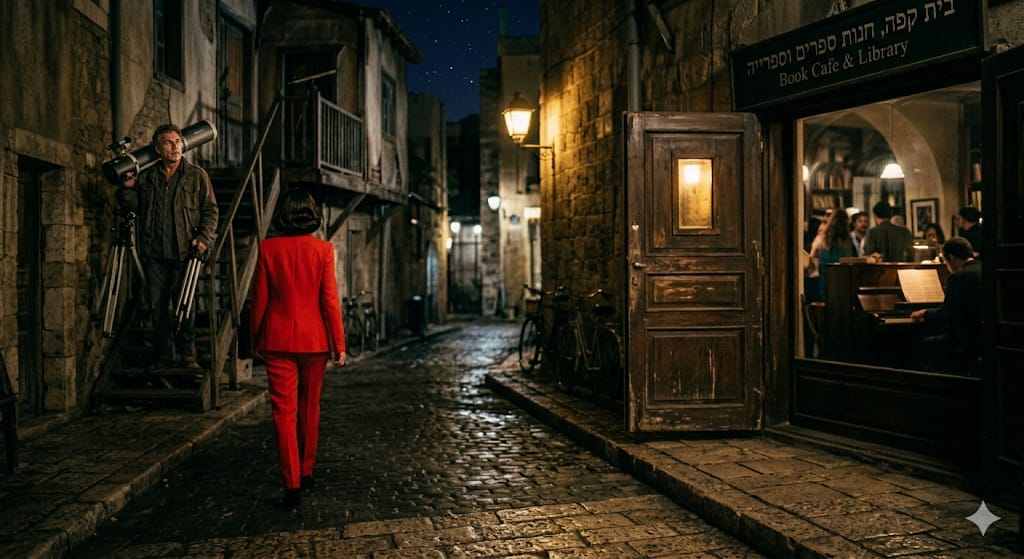
I noticed a woman in a red jacket and tailored red trousers who stood up and left the room. Another woman with curly hair followed her out. A waiter entered and asked what we would like to drink, on the house. I ordered a hot Apple Spice – the house autumn recommendation. Stoly, as usual, ordered a drink I had never heard of (it seemed he was trying to challenge the waiter and the café), and my father ordered a beer.Later, as Chapa spoke about “the moment of silence” and the “pipes of the universe” that connect different intelligences – some of them truly “neighboring intelligences” and some very distant – I felt the room closing in on me. I wanted to leave. In those days, my life felt stuck. I was studying at the university something I didn’t want to pursue, and the future looked depressing. Something inside me was about to burst. I didn’t feel I had a future here, but I didn’t know where else.
The woman in red returned and sat in the seat where Stoly had been sitting earlier.
“The universe is full of life, from here to there,” Chapa said, spreading his arms wide across the room, and then added something that ended with, “and they don’t only come in UFOs.”
“But what am I supposed to do with this?” asked a man with a black beard – the kind of guy who always seemed to show up at every lecture just to disrupt and ask irrelevant questions. It also seemed to me that Chapa was deliberately making his words more convoluted, precisely to make people like him leave.
Later, I remember myself walking out into the night, accompanying the woman in red. Chapa wasn’t angry when I said goodbye. He simply gave me the date of the next meeting – “Thursday after the holidays,” in about a month. It wasn’t the last time he set a meeting for that date. To the last meeting he scheduled this way – he didn’t come.
Several years later, when Chapa was working in a psychiatric hospital, he told me he had seen that same woman in red there.







 בלוג הצועד The VValker's blog